Keep your mind sharp

Applied Neuroscience of Women's Brain Health

Keep Your Mind Sharp

Brain Health Coaching for Women 40+

Do you find it harder to get through a full day without your thoughts scattering, or trying to remember the names and details you used to recall without effort?

Research shows that women carry the greater share of Alzheimer's risk.

Clarity isn't out of reach; it starts with the habits you build today.

Available Across the US · In Person in Philadelphia and Manhattan

"Midlife brings changes to the brain; daily habits can influence whether those changes work for you or against you."
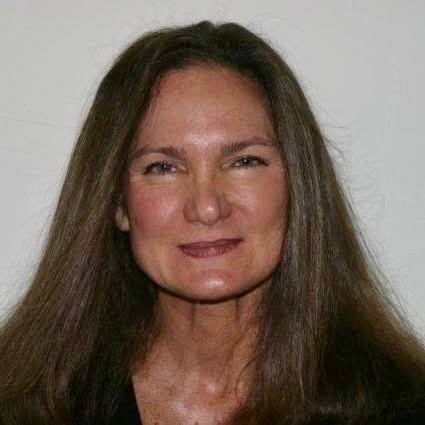
Denice A. Fox, NBC-HWC, CEBC, MBSR, PCC

Your Brain Health

When a word you have used your whole life goes missing, it is easy to fear the worst. Everyday memory slips could have ordinary causes, like stress, poor sleep, or a mind carrying too much at once, rather than disease. What is also true, and worth facing squarely, is that Alzheimer's affects women more than men: close to two in three people living with it are women. That is not a reason to feel powerless. It is a reason to pay attention to what you can influence.

That is where the everyday inputs come in. A short list of them, movement, sleep, food, stress, mental challenge, and social connection, is linked to how well a brain ages. A 2024 Lancet Commission review estimated that up to 45 percent of dementia cases worldwide are associated with modifiable factors like these. The strength of that evidence varies, and I will always tell you which parts are well supported by research and which are promising but still being studied. My work is to integrate the best-supported research into realistic changes you can and will do for your lifetime. The hype and the influencers stay out of it.

Your Brain Health Peakspan

You will begin at your baseline brain health peak. Peakspan is about staying close to your personal best for as long as possible. It moves beyond simply asking how long you will live or whether you are free from illness. It asks how long you want to keep thinking clearly, moving confidently, learning, creating, and showing up fully for the life you have built.

The way you care for your brain today can shape how clearly you think and perform over time. Many supportive habits are practical and accessible, and they can become part of even a demanding life. In that sense, it is often a choice between paying attention now or dealing with greater challenges later. The small steps you take today can help you stay ahead, protect your momentum, and support the mind you want to keep.

01

Can you recall names and words with ease?

02

Can you focus through a demanding day?

03

Can you think clearly under pressure?

04

Can you keep learning and growing?

05

Can you trust your own memory again?

What Is the Brain Health Fitness Framework?

It is the neuroscience of healthy brain habits, turned into things you can actually do. Research keeps returning to the same list of inputs that impact how a brain ages, and much of that list is within your control. Some of it is firmly established, like the value of physical activity. Some is promising and still emerging, like the finer details of nutrition and timing. I look at how these work together, because that is how your brain works too, and I stay honest with you about how solid the evidence is at each step.

Maybe you want steadier focus when the day runs long, or quicker recall of the names and details that used to come without thinking. Wherever you are starting from, you get a clear plan with a system that bends to fit your life instead of the other way around.

The Brain Health Fitness Pillars

Six connected inputs that shape how your brain ages. For each one, I am clear about what the science has established and what is still promising, so you always know how firm the ground is under the research.

01

Movement

Move for your brain. Research indicates that regular physical activity is one of the best-supported habits for the aging brain. It lifts blood flow and triggers a protein called BDNF that helps brain cells grow and connect. The best type is the one you will keep doing.

02

Sleep

Protect your sleep. During deep sleep the brain runs a clean-up system that clears metabolic waste built up while you are awake. The link between poor sleep and weaker memory is well established, which makes rest one of the most underrated levers there is.

03

Nutrition

Feed your brain. Some of this is solid, like steady blood sugar and enough omega-3s. Much of the rest is promising rather than proven, so we act on what is well supported and skip the trends. No rigid rules, no diet you dread.

04

Cognitive Reserve

Build cognitive reserve. Effortful learning builds what neuroscientists call cognitive reserve, a buffer that may help the brain cope with age-related change. Studies indicate effort is the key: your brain benefits when a task is genuinely challenging. Challenging does not have to mean tedious or unpleasant. The most rewarding activities are often those that stretch you while also sparking curiosity, creativity, or enjoyment. Choosing something you would enjoy practicing, feel proud to improve at, and perhaps even pass on to someone else is rewarding.

05

Stress

Calm the stress load. Ongoing stress can keep cortisol elevated, which may affect memory and focus. Mindfulness-based approaches have meaningful research support for steadying mood and attention. The best part is that mindfulness does not have to mean sitting still for a long meditation. It can be practiced in many ways through breathing, walking, stretching, listening to music, enjoying a meal, or taking a quiet moment to notice your surroundings. With a little creativity, mindfulness can become a fun part of everyday life, and many practices take only a minute or two.

06

Connection

Stay connected. Rich social connection is consistently associated with healthier brain aging. Much of this evidence is observational, a strong correlation rather than proof of cause, and it is compelling enough to take seriously. The right kind of connection looks different for everyone. Find the forms of social contact that feel meaningful, comfortable, and realistic for you. Small moments of connection count, and building them into your routine may be easier than you think.

Measure What the Science Says Matters

You probably know your weight, maybe your blood pressure. Far fewer of us have looked honestly at the daily inputs the research links to a well-aging brain.

The Healthy Brain Fitness Assessment helps you understand the everyday habits and routines connected to how clearly you think, how well you remember, and how sharp you feel.

Together, we will look at what is already working, where you may be getting stuck, and which areas offer the greatest opportunity for growth.

You do not have to change everything at once. We will turn what we discover into a clear, personalized starting point that fits your goals, your lifestyle, and the way you learn best. Once you can see the picture clearly, it becomes much easier to choose your next step, build momentum, and recognize your progress.

The Healthy Brain Fitness Assessment is an educational lifestyle evaluation. It is not a medical test and does not diagnose, treat, or screen for any condition, including Alzheimer's disease or dementia.

Movement

How exercise and daily activity are supporting your brain.

Sleep and Recovery

Sleep quality, stress regulation, and daily rhythms.

Nutrition

The foods and patterns that feed focus and memory.

Cognitive Engagement

Learning, mental stimulation, and cognitive reserve.

Stress and Mood

How you handle pressure and recover after a hard week.

Connection

Relationships, community, and belonging.

Designed For

This is for the woman who has always been sharp and wants to stay that way. For women 40 and over who take their brain health as seriously as they take the rest of their well-being, my coaching experience offers a clear, personalized way to stay proactive.

Your doctors provide the essential medical care you rely on. My program complements that care by focusing on the everyday practices that support clear thinking, focus, memory, and mental performance. Using evidence-informed guidance, you understand where to begin, choose strategies that fit your life, and build a plan you can follow with confidence.

01

Women 40 and over noticing changes in focus, memory, or mental stamina

02

Women caught off guard by brain fog and ready to do something about it

03

Women who want to protect their mind now, not wait until something is wrong

04

Women with or without a family history of cognitive decline who want to be proactive

05

Women who value science over hype, thoughtful guidance over trends, and a practical plan that fits into their life

06

Women ready to make steady changes with real support and not go it alone

Wherever you begin, the aim is the same: protect the clear thinking you count on as you get older.

Behind the Framework

Denice Fox, Board-Certified Health and Wellness Coach

Denice A. Fox, NBC-HWC, CEBC, MBSR, PCC

My work centers on brain health. I hold an Applied Neuroscience and Brain Health Coach certification through The Neuroscience Academy, and I bring it together with over 1,000 hours of coaching, Mayo Clinic graduate education in Health and Wellness Coaching, National Board Certified Health and Wellness Coach (NBC-HWC) through the National Board for Health and Wellness Coaching (NBHWC), partnered with the National Board of Medical Examiners (NBME), Certified Evidence-Based Coach (CEBC) through a graduate program in evidence-based coaching at Fielding Graduate University, Mindfulness-Based Stress Reduction (MBSR) certification from UMass, Professional Certified Coach (PCC) through the International Coach Federation, membership in the Institute of Coaching (IOC) at Harvard Medical School / McLean Hospital, and university training in psychology. I built The Brain Health Fitness Framework to sit between that research and your real week: to tell you plainly where the evidence is strong and where it is still emerging, and to empower you to build the handful of changes that genuinely matter. No hype, no influencers, just the science applied to your life.

Recommendations are based on the best available evidence and, where appropriate, supported by established research, observed associations, and expert review. Every goal and plan is personalized to you, supported by systems that make brain-healthy habits easier to build and sustain.

Your Pathway

Three steps.
A steady path to a clearer head.

01

Brain Health Discovery Session

A complimentary introduction. We talk about what you are noticing, your goals, and your readiness, and decide together whether the fit is right. No pressure, no obligation.

02

The Healthy Brain Fitness Assessment

Included when you begin coaching, this is where we start: your baseline brain peak, a close look at the lifestyle factors shaping how sharply you think and how well you remember. You come away with a clear picture of your strengths, your gaps, and where to focus first.

03

Ongoing Coaching

Two ways to work together, Membership and Concierge, both shown below. Together we turn your plan into daily practice, protecting the memory and focus you care about through structured, evidence-informed coaching.

Membership

Brain Health Coaching Membership

Structured, focused implementation of The Brain Health Fitness Framework, built around the life you actually have.

$1,000 / month
  • 8 private 30-minute sessions each month
  • A personalized plan drawn from your Healthy Brain Fitness Assessment results
  • Progress reviews to keep your momentum
Book a Discovery Session

Memberships begin at $1,000 per month, with Concierge Coaching available at $1,400 per month for clients who want the highest level of access.

Because I work with a limited number of clients, every new client starts with a complimentary Brain Health Discovery Session to confirm fit.

Client Stories

Shared with permission. Details changed for privacy.

01
From Foggy and Frustrated to Clear Again
She was 52, rattled by names that kept slipping, and half-convinced the forgetfulness was the start of something serious. Over nine months we rebuilt her sleep, got her lifting weights, and took the edge off her stress. The names started coming back. Her afternoons stopped falling apart on her. By the end she was not bracing against her own mind anymore.
Nine Months
02
Protecting Her Mind Before Anything Broke
In her late forties, with her mother newly diagnosed with dementia, she did not want to sit and wait to see what happened to her own memory. We built a routine she could actually keep: exercise she liked, earlier nights, food that worked for her brain, less time running on stress. Six months in, she was thinking more clearly and, in her own words, worrying a lot less.
Six Months
Client stories are shared with permission and summarized to protect privacy. Individual results vary and are not guaranteed. Coaching outcomes depend on many factors unique to each person.
"The best time to plant a tree was twenty years ago. The second best time is now."
Chinese Proverb

Your Brain Is Ready to Adapt Let's Give It What It Needs

Most of what supports a well-aging brain is unglamorous but completely doable. What is glamorous is your Brain Health Peakspan: the years your mind spends at its sharpest. If you want an honest read on where you stand, what may be holding you back, and how to move forward, book a discovery session.

Website thebrainologist.com
Availability Limited memberships available
Coverage Across the US by video, in person in Philadelphia and Manhattan

Your information is kept strictly confidential and will never be shared. This form is for inquiry purposes only and does not constitute a coaching agreement.